
After a Minor Collision in Huntsville: Steps Before Collision Repair
A minor fender bender on Memorial Parkway or University Drive rattles anyone. Once everyone is safe, a list of questions follows. What photos should you take? How many estimates do you need? Which repair shop should you trust? This guide walks Huntsville drivers through the steps after a minor collision, from the scene to the shop, so your collision repair goes smoothly.
Step 1: Stay Safe at the Scene
Safety comes first. After a minor collision:
- Check for injuries. Call 911 right away if anyone is hurt.
- Move to a safe spot if the vehicles still drive and local rules allow.
- Turn on hazard lights.
- Contact police when needed. An official report helps document what happened.
- Exchange information with the other driver: name, phone, insurance company, policy number and vehicle details.
Stay calm and stick to facts. Avoid arguing about fault at the scene.
Step 2: Take the Right Photos for Collision Repair
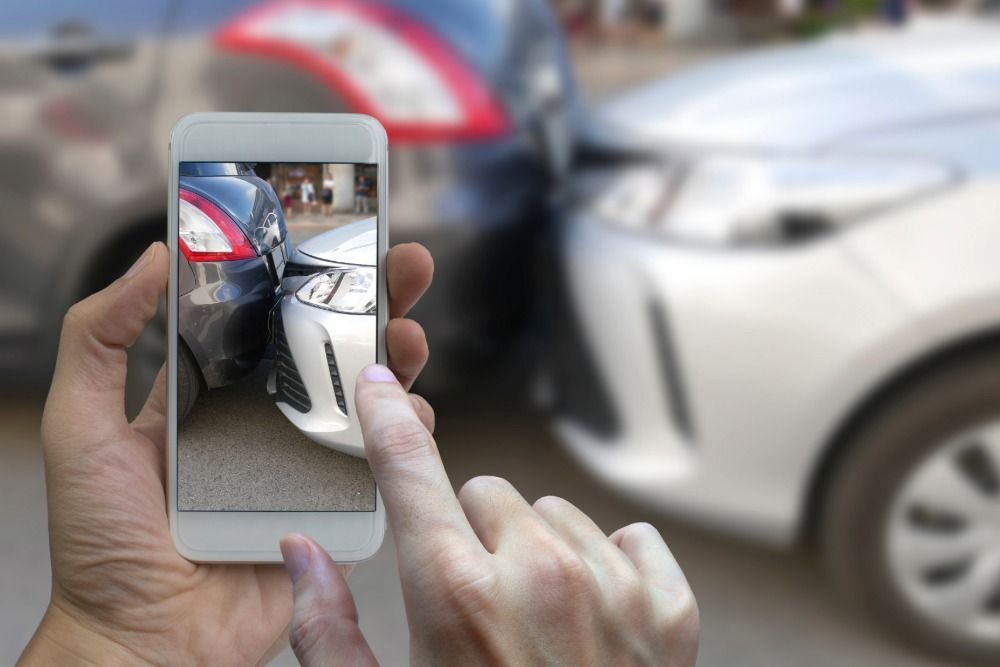
Good photos protect you and help your repair shop understand the damage. Use your phone to capture:
- Wide shots of both vehicles and their positions.
- Close-ups of all damage, including scratches, dents and cracked lights.
- Angles from several sides of each damaged area.
- The other vehicle's plate and insurance card.
- Road conditions, traffic signs and weather.
- Undamaged areas of your car, to show condition before the collision.
Take more photos than you think you need. Damage often looks worse days later as panels settle and fluids appear.
Step 3: Look for Hidden Damage
A small dent on the outside sometimes hides bigger issues underneath. Modern bumpers contain foam absorbers, brackets and sensors for parking assist and safety systems. Watch for these signs after a collision:
| Sign | What the Sign Might Point To |
|---|---|
| Uneven gaps between panels | Bent brackets or frame damage |
| Doors, hood or trunk hard to close | Shifted body panels |
| Warning lights on the dash | Damaged sensors or electrical issues |
| Car pulls to one side | Wheel alignment or suspension damage |
| Fluid under the car | Radiator, condenser or line damage |
| Parking sensors or cameras acting odd | Sensor misalignment in the bumper |
Mention every symptom to your repair shop, even small ones.
Step 4: Get a Collision Repair Estimate
An estimate lists the parts, labor and materials needed to return your car to pre-accident condition. A thorough estimate often requires removing a bumper cover or panel to see hidden damage.
When you compare estimates, look beyond the total price:
- Parts type. Does the estimate use original equipment manufacturer (OEM), aftermarket or used parts?
- Labor hours for each repair step.
- Paint and refinish work, including blending into nearby panels for a color match.
- Sensor calibration for vehicles with driver assist systems.
- Written warranty on parts and workmanship.
A lower estimate sometimes leaves out steps. Ask the shop to explain each line.
Insurance and Your Collision Repair
Every policy and claim is different. Contact your insurance company to learn your coverage, deductible and claim steps. Ask whether you have the right to choose your own repair shop. Your repair shop handles the repair. Your insurer decides coverage.

Step 5: Questions to Ask Your Collision Repair Shop
The right shop answers these questions clearly:
- How long will the repair take?
- Which parts will you use, and why?
- How do you match paint color?
- Do you calibrate safety sensors and cameras after repair?
- What warranty do you offer on the work?
- Will you contact me if you find more damage?
- How will you update me during the repair?
- Do you work with my insurance company?
Step 6: Inspect the Finished Repair
Before you drive away, walk around your car in good light. Check for:
- Even paint color and gloss across panels
- Straight, even gaps between body panels
- Doors, hood and trunk that open and close smoothly
- Working lights, sensors and cameras
- No warning lights on the dash
- A clean interior
Ask for a copy of the final invoice and warranty. Report any concerns right away.
Trusted Collision Repair in Huntsville, AL
A minor collision doesn't have to turn into a major headache. Stay safe, document everything, watch for hidden damage and ask the right questions. Those steps lead to a quality repair and peace of mind.
Corlett Collision Repair helps Huntsville drivers get back on the road. Learn about our collision repair services in Huntsville, our bumper repair work and our automotive painting services. Bring your car in or contact us today for an estimate.